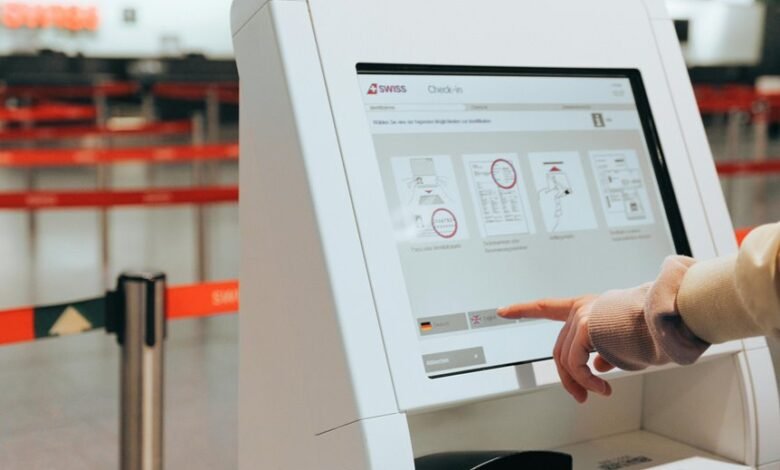
Line behavior significantly influences customer experiences in service environments. It encompasses various dynamics, including wait times and individual interactions. Understanding these factors is essential for organizations aiming to improve operational efficiency and customer satisfaction. As businesses analyze queue management strategies, the implications for communication and compliance become apparent. This raises questions about how organizations can adapt to optimize service delivery and enhance the overall customer journey.
Understanding Line Behavior: Definition and Importance
Line behavior refers to the characteristics and dynamics of lines within various contexts, particularly in mathematics and physics.
Understanding line behavior is crucial for effective behavioral analysis, as it elucidates how lines interact with their environment and influence outcomes.
Factors Influencing Line Behavior in Different Contexts
What factors shape the behavior of lines across various contexts?
Queue dynamics significantly influence how individuals interact within lines, as factors such as wait times and service efficiency can alter perceptions of fairness.
Additionally, customer psychology plays a crucial role; individuals may exhibit different behaviors based on expectations and social influences, ultimately affecting overall line behavior and the experience of waiting.
Strategies for Managing Line Behavior Effectively
Implementing effective strategies for managing line behavior requires a comprehensive understanding of queue dynamics and customer psychology.
Utilizing positive reinforcement can encourage desirable behaviors, while behavior modeling demonstrates appropriate conduct within the queue.
The Impact of Line Behavior on Communication and Efficiency
Although often overlooked, the behavior exhibited by individuals in a queue significantly influences both communication and operational efficiency within service environments.
Diverse communication styles among patrons can affect interpersonal interactions, potentially leading to misunderstandings.
Furthermore, line behavior directly impacts efficiency metrics, as delays caused by non-compliant individuals can hinder service throughput, ultimately affecting overall organizational productivity and customer satisfaction.
Conclusion
In conclusion, the intricacies of line behavior transcend mere queue management, becoming a labyrinthine dance of human psychology and operational dynamics. As organizations wield the power to transform chaotic waits into seamless experiences, the stakes are monumental. A failure to grasp these nuances could spell disaster, resulting in not just disgruntled customers but a cataclysmic decline in loyalty and satisfaction. Thus, mastering line behavior is not merely advantageous; it is an imperative for survival in the fiercely competitive service landscape.